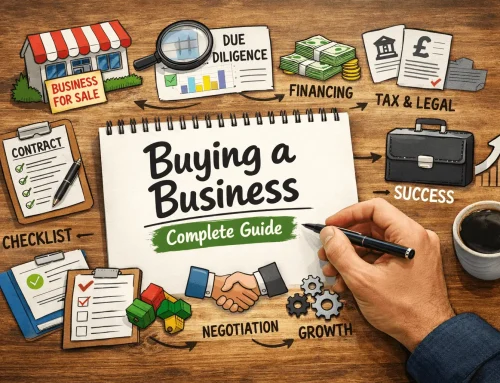
Selling a business can be one of the most significant decisions of an entrepreneur’s life. Whether you’re looking to retire, move on to a new venture, or simply cash in on years of hard work, understanding the process of selling a business is crucial for a successful and profitable sale. In this guide, we’ll walk you through the step-by-step process of selling your business, from valuing it to finding the right buyer and navigating the legal and financial considerations.

Why Sell Your Business?
Before you begin the selling process, it’s important to understand why you’re making this decision. Business owners sell for many reasons, some personal, others financial, and sometimes due to market or economic conditions.
Some common reasons include:
- Retirement: After years of running a business, you might want to retire and enjoy the fruits of your labor.
- Personal Life Changes: Changes in your personal life or health might prompt you to move on from the business.
- Market Conditions: Economic shifts or industry changes might make it a good time to sell before things take a downturn.
- Desire to Pursue New Ventures: Entrepreneurs sometimes sell their businesses to pursue other interests or new business ideas.
Whatever your reason, it’s essential to make this decision with careful consideration and the right information.
How to Value Your Business for Sale
The first step in selling your business is to determine its value. Business valuation can be tricky, but it’s essential to understand what your business is worth before you start negotiating with potential buyers.
To value your business, consider the following:
- Financial Performance: Look at your profit and loss statements, balance sheets, and other financial records. Buyers want to know how profitable your business is, so make sure these documents are up to date and reflect an accurate picture of your financial standing.
- Assets: Include physical assets like equipment, inventory, and property, as well as intangible assets such as brand value, intellectual property, and customer relationships.
- Market Comparisons: Compare your business to similar businesses in your industry to get an idea of what others are selling for. This will give you a benchmark and help you price your business competitively.
If you’re unsure how to value your business, consider working with a financial expert or business broker to help with the process.
Preparing Your Business for Sale
Now that you know the value of your business, it’s time to get it ready for sale. This step involves more than just cleaning up the financials; it’s about making your business as attractive as possible to potential buyers.
Consider these preparation steps:
- Legal and Financial Clean-up: Make sure all legal documents, such as contracts and business agreements, are in order. This includes employee contracts, supplier agreements, and leases.
- Operational Efficiency: Streamline your operations. Buyers want to see a business that runs smoothly and doesn’t require major changes or restructuring.
- Due Diligence Prep: Buyers will likely conduct a thorough review of your business, so prepare by organizing all relevant documents, including financial statements, tax returns, and operational manuals.
The more prepared you are, the easier and quicker the sale process will be.
Finding the Right Buyer for Your Business
Once your business is ready to sell, it’s time to find a buyer. There are several ways to go about this:
- Business Brokers: A broker can help you find potential buyers and negotiate the sale. They charge a commission, but they bring experience and a network of buyers.
- Private Buyers: You might also find a buyer through personal connections, such as friends, family, or business acquaintances.
- Online Marketplaces: Websites that specialize in buying and selling businesses can also be an excellent place to list your business. Sites like BizBuySell and Flippa allow you to reach a broader audience.
When finding a buyer, it’s important to consider more than just the price. The right buyer should be someone who is capable of taking over and growing the business while keeping employees and customers happy.
The Selling Process: What You Need to Know
Selling a business is a step-by-step process that requires attention to detail. Here’s a general overview of what to expect:
- Prepare Your Business for Sale: Make sure everything is in order, from legal documents to financial records.
- Find a Buyer: Reach out to brokers, potential buyers, or online platforms.
- Negotiation: Once you’ve found a buyer, you’ll enter negotiations. This includes discussing the price, terms of the sale, and how the business will transition.
- Due Diligence: The buyer will conduct a thorough review of your business to verify the information you’ve provided.
- Closing the Deal: Once everything is agreed upon, both parties will sign the necessary documents, and the sale will be finalized.
Throughout this process, it’s important to remain professional and keep communication open to ensure a smooth transaction.
Legal and Financial Considerations When Selling a Business
There are numerous legal and financial factors to consider when selling a business. Here are some key areas to focus on:
- Legal Contracts: Ensure that the sale agreement clearly outlines the terms of the deal, including the purchase price, payment schedule, and any contingencies.
- Taxes: Selling a business can have significant tax implications. Depending on your country, the sale might be subject to capital gains tax or other taxes. Work with a tax advisor to understand the financial impact.
- Debt and Liabilities: If your business has any outstanding debts or liabilities, these will need to be addressed before the sale. Make sure you understand who will be responsible for these obligations after the sale.
Hiring a lawyer and an accountant to help with these considerations is highly recommended.
How to Sell Your Business Fast
If you need to sell your business quickly, there are a few strategies to help expedite the process:
- Increase Your Business’s Appeal: Make sure your business is in top shape by cleaning up financials and resolving any operational inefficiencies.
- Offer Seller Financing: Some buyers may be more inclined to purchase if you offer financing options, such as paying part of the purchase price over time.
- Reach More Buyers: Use business brokers or online platforms to reach a larger audience, which can help speed up the sale process.
While selling a business fast can be challenging, these strategies can help make the process quicker and smoother.
Conclusion
Selling your business is a complex process that requires careful planning and consideration. From valuing your business to finding the right buyer and navigating legal and financial concerns, each step is crucial for a successful sale. By preparing your business for sale, understanding the process, and seeking professional help when needed, you can maximize your chances of selling your business at a fair price and on your terms.
FAQs
- How long does it take to sell a business?
The time it takes to sell a business can vary, but on average, it may take several months. The process can be expedited if you have a well-prepared business and the right buyer. - What documents do I need to sell my business?
You’ll need financial statements, tax returns, employee contracts, business agreements, and any other legal documents related to your business. - How do I find the right buyer for my business?
You can find buyers through business brokers, online marketplaces, or personal connections. It’s important to ensure that the buyer is capable of running the business after the sale. - What are the tax implications of selling my business?
Selling your business may result in capital gains taxes or other tax liabilities, depending on your country. Work with a tax advisor to understand the financial impact.
Can I sell my business fast?
Yes, you can sell your business quickly by increasing its appeal, offering seller financing, and reaching a larger pool of buyers through brokers or online platforms.
To discuss how Accountants in Slough can assist you with your Accounts Preparation, please contact us for a free, no obligation consultation on: 0333 772 1616 or complete our Contact form and we will get back to you.