Introduction to VAT Registration
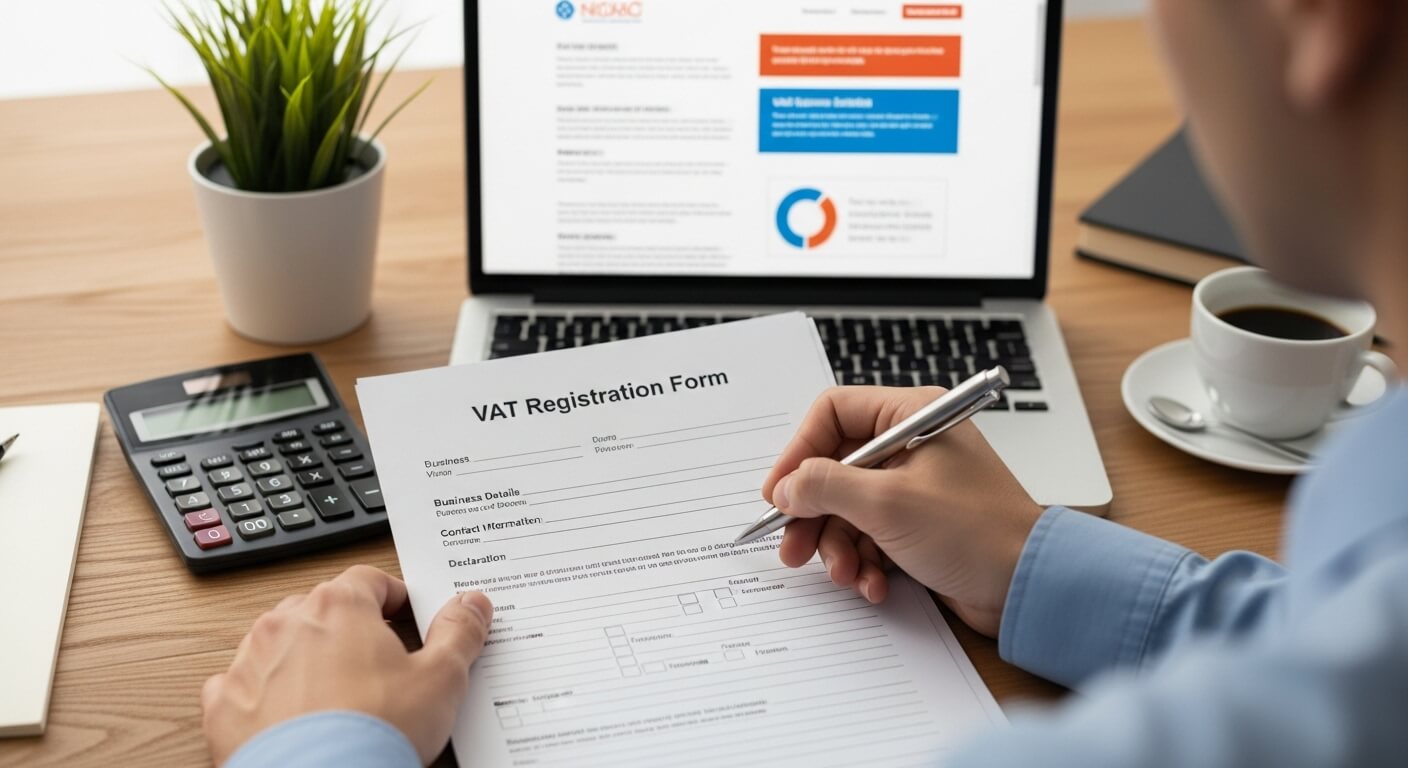
When operating a business in the UK, understanding how to register for VAT (Value Added Tax) is essential for compliance with tax laws. This article explains the steps, requirements, and benefits of VAT registration, with a focus on UK businesses.
VAT registration is mandatory for businesses that exceed the VAT threshold, but even smaller businesses can register voluntarily to reclaim VAT on purchases. This guide will walk you through everything you need to know.
What is VAT?
Value Added Tax (VAT) is a consumption tax added to goods and services. Businesses collect VAT from customers and pay it to the government. If your business’s taxable turnover exceeds the VAT threshold of £85,000, you must register for VAT with HMRC.
When Do You Need to Register for VAT?
1. Exceeding the VAT Threshold
If your business earns over £85,000 in taxable turnover within a 12-month period, you must register for VAT. This ensures that you comply with the regulations and pay the correct VAT amount to the government.
2. Voluntary VAT Registration
If your business’s turnover is under the threshold, you can still choose to register for VAT voluntarily. This can be advantageous if you want to reclaim VAT on your business expenses.
How to Register for VAT
There are two primary methods to register for VAT: online registration and paper registration. Here’s how to VAT register.
Online VAT Registration
- Create an HMRC Account: Before registering, create a personal account with HMRC.
- Complete the Online Form: Navigate to the VAT registration page and fill out the form with the required information.
- Submit Your Application: Once you’ve completed the form, submit it electronically.
- Receive Your VAT Number: If your application is accepted, HMRC will issue your VAT registration number.
Paper VAT Registration
While online registration is the preferred method, you can also register by filling out the VAT1 form and submitting it to HMRC by post. This method is slower but still an option.
How to VAT Register: Step-by-Step Process
Step 1: Assess Whether You Need to Register for VAT
Before proceeding, check if your business meets the threshold for mandatory VAT registration. If not, decide if voluntary registration is right for your business.
Step 2: Gather Necessary Information
You’ll need certain business details to complete your registration, including:
- Business name and contact details
- Business structure (e.g., limited company or sole trader)
- Annual turnover estimates
- Details of any taxable goods or services
Step 3: Complete the Registration Form
Complete the VAT registration form (VAT1) online or on paper. Ensure all information is accurate, as mistakes could delay the process.
Step 4: Receive Your VAT Certificate
HMRC will process your application and send you a VAT certificate. This will include your VAT registration number and the date your VAT registration is effective.
Key Benefits of VAT Registration
1. Reclaim VAT on Business Purchases
One of the biggest advantages of VAT registration is the ability to reclaim VAT paid on business purchases. This can significantly reduce the overall cost of doing business.
2. Professional Image
Being VAT registered can lend credibility to your business, as clients may view VAT registration as an indicator of professionalism and stability.
3. Access to VAT Schemes
As a VAT-registered business, you may be eligible for certain VAT schemes, such as the Flat Rate Scheme, which simplifies the VAT process.
Common FAQs About VAT Registration
1. Do I Need to Register for VAT if My Business is a Limited Company?
Yes, a limited company must register for VAT if its taxable turnover exceeds £85,000. Even if it doesn’t meet this threshold, it can choose to register voluntarily.
2. How Long Does It Take to Register for VAT?
VAT registration usually takes around 2-4 weeks, depending on the complexity of your business and HMRC’s workload.
3. Can I Reclaim VAT if I Am Below the VAT Threshold?
Yes, even if you are below the VAT threshold, you can still register for VAT voluntarily and reclaim VAT on your business purchases.
Limited Company and VAT Registration
1. Why Register for VAT as a Limited Company?
Limited companies must register for VAT if their taxable turnover exceeds the threshold. Voluntary registration is also an option if the company wants to reclaim VAT on its expenses.
2. How to Register for VAT as a Limited Company?
The process is the same for a limited company as for any other business. Complete the VAT registration form, and submit it online or by post.
3. Benefits for Limited Companies
VAT registration can benefit limited companies by allowing them to reclaim VAT on purchases and enhance their professional image.
VAT on Supermarket Food UK
While most goods and services are subject to VAT, certain food items in the UK are exempt from VAT or have a reduced rate. For example, basic food items like fruit and vegetables are usually zero-rated. However, prepared foods and luxury items may still be subject to VAT.
VAT Registration for Small Businesses
Small businesses may face challenges when registering for VAT. However, VAT registration can provide benefits such as reclaiming VAT on business-related expenses and improving business credibility. It’s important to assess whether the advantages outweigh the costs for your business.
What Happens After VAT Registration?
Once you’ve successfully registered for VAT, you’ll need to charge VAT on your sales and submit VAT returns to HMRC. It’s important to stay on top of your VAT obligations, as failure to comply can lead to penalties.
Using an Accountant for VAT Registration
When registering for VAT, it’s a good idea to consult with an expert, such as a VAT accountant, to ensure that the process goes smoothly. Chartered accountants can help you navigate the complexities of VAT registration and advise you on the best VAT schemes for your business.
Benefits of Hiring a VAT Accountant
- Expert advice on VAT schemes
- Help with VAT registration and compliance
- Assistance with VAT returns and bookkeeping
- Guidance on VAT on supermarket food UK and other exemptions
Why Choose Adam Accountancy?
At Adam Accountancy, we specialize in VAT registration and offer a full range of tax and accounting services, including:
- VAT registration for small businesses and limited companies
- Corporation tax advice
- Property tax advice and capital gains tax assistance
- Bookkeeping and payroll services
Our team of expert accountants, including those in Slough and Berkshire, is here to help your business navigate the complexities of VAT registration.
Conclusion
Registering for VAT is an essential step for UK businesses that meet the turnover threshold or wish to reclaim VAT on business expenses. Understanding the process and its benefits can save time and money in the long run. Whether you’re a small business owner or managing a limited company, Adam Accountancy offers the expertise you need to successfully navigate VAT registration.
Looking for professional accounting or tax advice? At Adam Accountancy, our experienced accountants in Slough provide reliable support to individuals, contractors and businesses across the UK.
Call us on 01753 373 505 for a free, no-obligation initial consultation, or contact us using our online form, and our team will be happy to assist you.