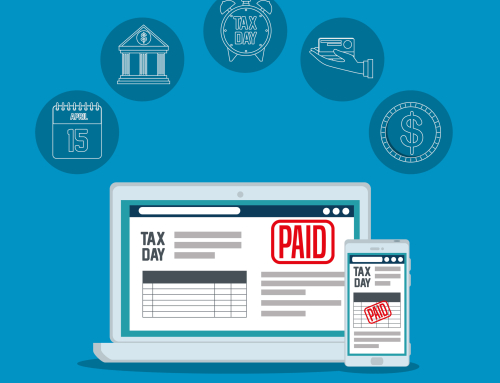
Would you like to pay less tax on your money and have more? It is all about tax efficiency planning Tax is one of the few expenses you can legally reduce. Effective tax efficiency planning allows more of your money to compound. The tiny amount saved each year will mean thousands in your pot in the future.
What is Efficient Tax Planning?
Tax efficiency planning is organizing your money and investments so that you pay the minimum amount of tax, but never less than the law requires. You invest with decisions to maximize growth of your money, though not too much is lost in taxes. This is referred to as being tax-efficient.
Tax-Efficient Savings Plan in four fast steps
On 6th April, fill your ISA. Advance financing provides one additional tax-free year.
Make sure you make the maximum pension contribution within your cash‑flow. Contributions reduce taxable income today and increase without CGT.
Harvest is increased annually. Sell and repurchase assets within a year (bed & ISA or bed & spouse) to reset the cost and enjoy the CGT buffer of 3k.
Divide income among the spouses. Transfer higher‑rate assets to the lower-rate counterpart to save immediately.
Strategies for Tax-Efficient Investment Planning
Be wise in the use of wrappers…
In ISAs and SIPPs you should have growth assets (shares, equity funds). Future profit is not subject to CGT.
ISAs are suitable for dividend shelter on income assets (REITs, high-yield bonds).
Low-yield trackers may be held in non-retirement accounts; the minimal amount of cash flow they can generate seldom violate the limits.
Think about pension first if…
Your employer Matches.
you pay 40 or 45 per cent taxes, you expect 20 per cent taxes in retirement.
Waiting until age 55 at least (57 after 2028) is possible.
Think ISA first when…
You need to have flexible access.

Exploit Timing
Wait on a dividend to the new tax year when you are close to the £500 limit. Take advantage of a low-income sabbatical year. Small timing variations will keep you in the basic band.
Blend funds
Grow your ISA fund with an accumulating world equity ETF. Have a distributing bond fund within your pension. The blend reduces ongoing tax and future administration.
What not to do This method can be summarized as follows Mistakes to avoid
Holding UK equities with a 4 % yield in a taxable account after your dividend allowance has gone.
Ignoring the replacement lump-sum limits of the Lifetime Allowance when crystallising pension pots.
Buying and selling excessively within a taxable portfolio and wasting the 3k CGT exempt threshold.
The payment of ordinary rate of tax on interest income on savings rather than Personal Savings Allowance within a Cash ISA.
Not wanting to consider future rule changes (e.g. potential split cash-ISA cap). Pay attention to Budget speeches.
Tax-smart Saving
Tax efficient savings allow you to increase your savings at low tax rates. This is how to make one:
1. Buy a Tax-Free Savings Account
Use an ISA in the UK. All the gains and interest are absolutely tax-free.
In the US, save for retirement with a Roth IRA or 401(k).
2. National Savings Products
Government savings products such as UK Premium Bonds do not tax winnings or interest.
3. Buy Tax-Favoured Stocks
In the UK, shares can be purchased in Venture Capital Trusts (VCTs) or under the Enterprise Investment Scheme (EIS). These grant you tax exemptions and enable you to save more.
4. Think Long Term
Save early, and save often.
Leave your money in tax-favored accounts as long as you can.
Tax Efficiency Planning Tips
- Plan in advance: The early you plan, the earlier you save.
- Track: Good record keeping and store receipts.
- Review on an annual basis: Tax laws are susceptible to change, verify your plan on an annual basis.
- Seek assistance: Tax experts can assist you in seeking overwhelming strategies suited to your case.
Quick Table: Tax-Efficient Investment Tools
| Tool or Account | Tax Benefit | Good For |
| ISA (UK) | No tax on growth | Savings & investments |
| 401(k), IRA (US) | Tax-deferred growth | Retirement saving |
| Roth IRA (US) | Tax-free withdrawals | Retirement saving |
| Municipal Bonds (US) | Tax-free interest | Safe investments |
| Tax-Managed Funds | Lower capital gains tax | Long-term investing |
| VCT/EIS Shares (UK) | Income tax reduction | High-growth investing |
Mistakes to avoid
- UK equities after your division allowance has ended, with a 4��returns in a taxable account.
- Ignoring the new lump-sum limits on the Lifetime Allowance when crystallising their pension pots.
- Buying and selling too frequently within a taxable portfolio and stories of burning the 3k CGT allowance too soon.
- The interest on savings is taxed at a higher rate rather than receiving Personal Savings Allowance within a Cash ISA.
- Overlooking future rule changes (e.g. the potential split cash‑ISA cap). Be conscious of Budget speeches.
Conclusion
Tax efficiency planning is intelligent and lawful. It enables you to have additional income under your belt, achieve your objectives, and not pay your tax as much as you expected. Look at tax-savvy accounts, select tax-efficient investments, and strategize. Seek assistance of an expert in taxes in case you are unsure. Begin and see your savings compound itself!
FAQs
- What is a tax efficient plan?
Tax efficiency planning refers to the process of organizing your budget so that you pay less tax, which makes your money grow over the years.
- What are the starting steps of tax-efficient planning within the UK?
Start by utilizing your ISA allowance, making contributions to a pension, and income spreading between spouses where necessary.
- Which are the most efficient tax-saving instruments in the UK?
Tax-favourable investments such as VCT and EIS, as well as ISAs, pensions (SIPP), and National Savings products are best options.
- Which should I liquidate first; my ISA or my pension?
Use a pension (matching or higher-rate taxpayer). Take out an ISA to access it flexibly.
- What is bed and ISA or bed and spouse strategy?
It entails selling and purchasing assets within an ISA or under the name of a spouse to spend the CGT allowance intelligently.
Contact Us for Free Advice:
To discuss how Accountants in Slough can assist you with your Accounts Preparation, please contact us for a free, no obligation consultation on: 0333 772 1616 or complete our Contact form and we will get back to you.