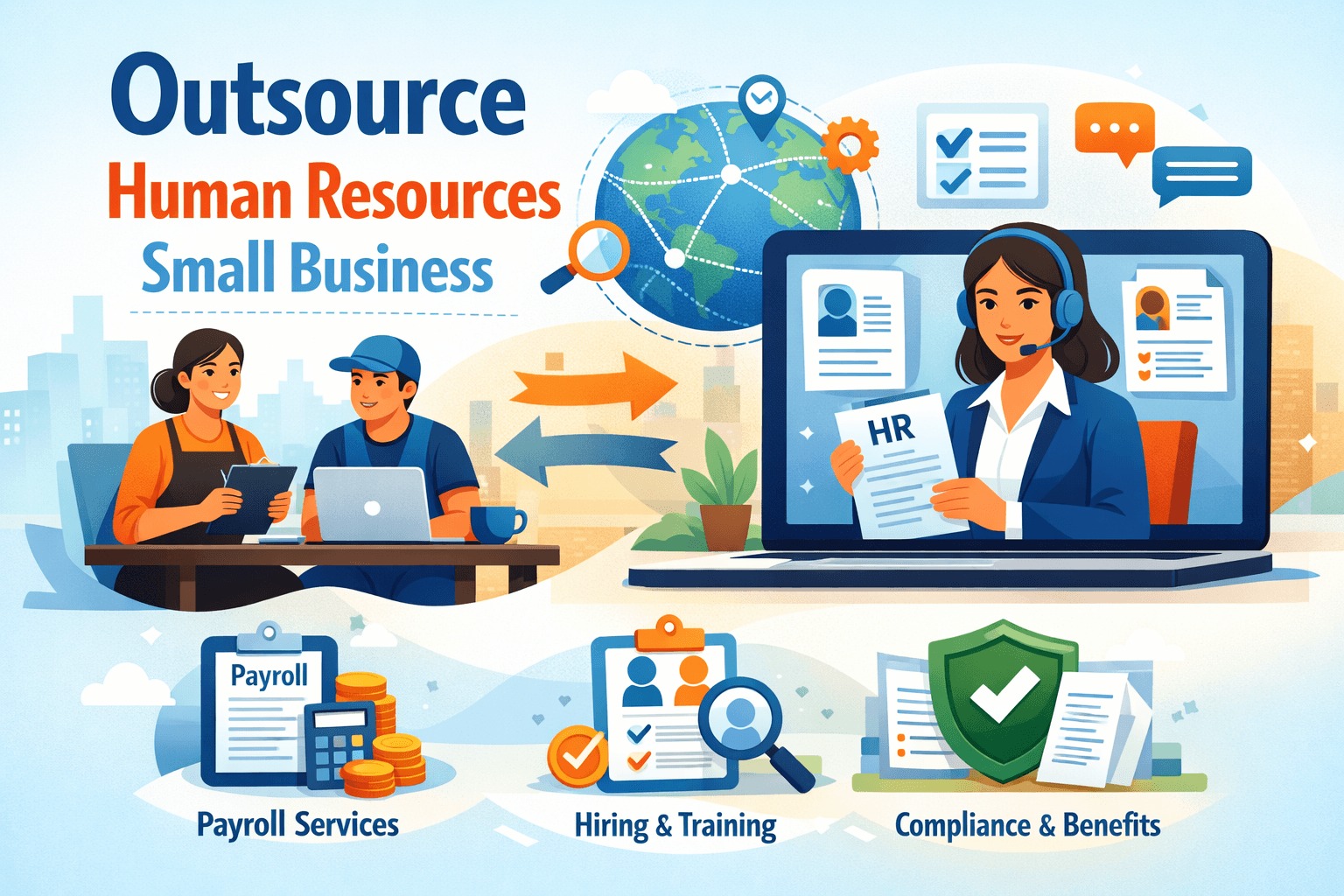
Small businesses face a multitude of challenges, from managing operations to complying with ever-changing regulations. Among these challenges, human resources (HR) management often takes a backseat due to limited resources and the complexities involved. However, HR plays a critical role in shaping the company’s culture, compliance with labor laws, and employee satisfaction.
Outsourcing human resources allows small business owners to focus on their core competencies, knowing that their HR functions are handled by experts. By partnering with a trusted HR outsourcing provider like Adam Accountancy, small businesses can access professional support in areas like payroll, recruitment, employee contracts, and compliance—without the burden of managing everything in-house.
In this comprehensive guide, we’ll explore how outsource human resources small business strategies can lead to operational efficiency, compliance assurance, and cost savings. Whether you’re a business owner with a growing team or just starting to build a workforce, this guide will provide valuable insights on leveraging outsourced hr services for small business needs.
What Does It Mean to Outsource Human Resources?
Outsourcing human resources (HR) involves hiring an external company or professional to manage various HR functions that would typically be handled by an in-house HR team. This approach allows small businesses to benefit from HR expertise and support while saving time and money.
For small businesses, outsourcing HR means delegating tasks such as recruitment, payroll processing, employee contracts, benefits administration, and even compliance management to an HR service provider. These providers offer specialized knowledge and resources that might not be available in-house, ensuring your business meets legal and operational requirements without the headache of managing every detail internally.
Outsourcing HR services provides businesses with access to:
- HR expertise: Specialized knowledge in HR law, best practices, and industry trends.
- Cost efficiency: No need to hire a full-time HR staff, saving on salaries, training, and overhead.
- Compliance: Ensures all HR activities adhere to the latest laws and regulations, reducing legal risks.
When you outsource hr small business functions, you can focus on what matters most: growing your business and serving your customers.
Why HR Becomes Difficult for Small Businesses
As a small business grows, managing HR internally can quickly become a complex and time-consuming task. In small teams, business owners often wear multiple hats, leaving little time to focus on HR functions like payroll, hiring, and compliance.
Several challenges arise when businesses try to manage HR in-house, including:
- Limited time: Small business owners are already juggling operations, marketing, and customer service, leaving little room for HR management.
- Lack of expertise: Handling recruitment, compliance, and payroll can be overwhelming without HR-specific knowledge.
- Legal complexity: Staying up to date with labor laws and regulations is difficult, especially for small businesses that don’t have dedicated HR professionals.
By outsourcing HR services, you can alleviate these challenges and ensure your business runs smoothly. HR outsourcing for small companies eliminates the need for in-house HR expertise while ensuring compliance with the law.
The Main Reason Small Businesses Outsource HR
The primary reason small businesses choose to outsource HR is to save time and resources. By partnering with an HR outsourcing provider, businesses can streamline HR processes and avoid the administrative burden that often comes with managing employees in-house.
Some of the key benefits include:
- Efficiency: HR tasks are handled by professionals, allowing business owners to focus on their core operations.
- Cost savings: Outsourcing HR can be more affordable than hiring a full-time HR manager, especially for businesses with a small team.
- Expert support: HR providers bring expertise in areas such as compliance, recruitment, payroll, and employee relations, ensuring the business runs smoothly.
Outsourcing HR enables small businesses to create a more efficient and compliant work environment without adding the expense and complexity of hiring a full-time HR team.
How Outsourced HR Services for Small Business Work
When you decide to outsource human resources small business functions, you partner with an HR service provider that offers a range of services tailored to your business’s needs. Here’s a breakdown of the key services included in outsourced hr services for small business:
- Payroll management: HR providers handle all payroll tasks, ensuring employees are paid on time and taxes are correctly deducted.
- Recruitment and staffing: From creating job descriptions to conducting interviews, HR providers manage the entire recruitment process.
- Compliance: An HR service provider ensures your business adheres to employment laws, health and safety regulations, and tax requirements.
- Employee benefits management: Outsourced HR services include managing employee benefits like health insurance, retirement plans, and vacation time.
- Training and development: HR providers can create training programs that help employees develop skills and improve performance.
These services are customized to your business size and requirements, offering flexibility as your business grows.
HR Tasks Small Businesses Can Outsource
Small business owners can delegate a variety of HR tasks to outsourcing providers, including:
- Recruitment and hiring: Posting job ads, reviewing applications, conducting interviews, and extending offers.
- Payroll management: Calculating wages, tax deductions, benefits, and issuing payslips.
- Employee records and documentation: Maintaining accurate records for each employee, including contracts, evaluations, and legal documents.
- Benefits administration: Setting up employee benefits packages, including health insurance and retirement plans.
- Compliance with UK labor laws: Ensuring that all employment practices align with current UK laws, including working hours, sick leave, and equal pay.
By outsourcing these functions, business owners free up valuable time and ensure they’re compliant with HR regulations.
Benefits of HR Outsourcing for UK Small Businesses
Small businesses in the UK stand to benefit significantly from HR outsourcing small business strategies. Here are some of the key benefits:
- Cost savings: Outsourcing HR can reduce costs associated with hiring, training, and maintaining a full-time HR staff.
- Access to expertise: HR professionals bring specialized knowledge in employment law, payroll processing, and employee relations, ensuring your business stays compliant.
- Reduced administrative burden: By outsourcing HR tasks, business owners can focus on their core responsibilities and leave the paperwork to the experts.
- Scalability: As your business grows, outsourcing HR provides the flexibility to scale HR services up or down based on your needs.
- Improved employee satisfaction: With HR experts managing employee relations and benefits, your team is likely to feel more supported and engaged.
These benefits make HR outsourcing an excellent choice for small businesses looking to grow while maintaining a positive work environment.
Cost Savings When You Outsource HR Small Business Support
One of the most compelling reasons to outsource hr small business functions is the potential for cost savings. For many small businesses, hiring a full-time HR manager or department is simply not feasible due to budget constraints. By outsourcing HR, small businesses can access expert services at a fraction of the cost of maintaining an internal HR team.
Here are the key cost-saving factors:
- No need to hire full-time HR staff: Outsourcing eliminates the need for a salaried HR manager or department, cutting down on wages, benefits, and training costs.
- Reduced recruitment costs: An outsourced HR provider can help streamline your hiring process, saving money on advertising and agency fees.
- Efficient payroll processing: With payroll tasks being handled by experts, there’s less chance for costly errors, penalties, or delays in payments.
- Compliance and legal risk reduction: Outsourcing HR ensures that your business is compliant with UK labor laws, reducing the risk of fines or legal disputes.
By outsourcing your HR functions, you can save money, reduce risk, and focus on growing your business without worrying about the complexities of HR management.
HR Compliance and UK Employment Law
HR compliance is a critical concern for small businesses. Ensuring your business adheres to UK employment laws can be a complex and time-consuming process, especially as laws evolve. By choosing to outsource human resources small business functions, you can ensure that your business remains compliant with all relevant regulations.
Some of the key areas where HR outsourcing ensures compliance include:
- Employment contracts: Ensuring that all employees have clear, legally compliant contracts that cover essential terms and conditions.
- Health and safety regulations: Compliance with workplace safety laws to protect your employees and avoid potential liabilities.
- Employee rights: Adhering to laws related to maternity leave, sick leave, holiday pay, and equal pay.
- Tax compliance: Ensuring that payroll taxes, national insurance contributions, and pensions are correctly managed.
Outsourcing HR gives you peace of mind, knowing that your business is compliant with the latest employment laws, which can vary from year to year.
Payroll and HR: Why They Should Work Together
Effective HR management and payroll processing are inextricably linked. When you outsource hr for small business functions, payroll becomes more than just an administrative task—it’s a key element of employee satisfaction and legal compliance.
Here’s why payroll and HR should work together:
- Accurate payroll: HR provides the necessary data (hours worked, pay rates, overtime) to ensure accurate payroll processing.
- Timely payments: HR management helps ensure that employees are paid on time, preventing disputes and enhancing employee morale.
- Tax compliance: HR is responsible for managing tax information, ensuring that employee tax deductions and contributions are correct.
- Benefits administration: HR tracks employee benefits, including health insurance, pensions, and bonuses, ensuring that all are correctly included in payroll calculations.
By outsourcing both payroll and HR, you ensure that these two vital areas of your business are fully integrated and managed by professionals.
How Adam Accountancy Supports Small Business HR Needs
At Adam Accountancy, we understand the unique needs of small businesses when it comes to HR and payroll management. As a trusted partner, we provide a comprehensive suite of outsourced hr services for small business, including:
- Payroll services: Accurate, timely payroll management, ensuring your employees are paid on time and in compliance with UK tax regulations.
- HR support: From recruitment to employee relations, our team of HR professionals ensures that all your HR needs are met efficiently.
- Tax advice: We provide expert advice on business tax matters, including corporation tax accountants, VAT accountant, and personal tax account HMRC.
- Compliance assurance: Stay ahead of regulatory changes with our proactive compliance monitoring, ensuring your business avoids legal issues.
By working with Adam Accountancy, small businesses gain access to high-quality HR and payroll services, all tailored to your specific needs.
HR Outsourcing for Small Companies with Limited Budgets
For small businesses, budget constraints often make it difficult to justify hiring a full-time HR manager or department. However, outsourcing hr for small companies provides an affordable solution. HR outsourcing allows small businesses to benefit from professional HR services without the burden of hiring a full-time employee.
Here’s why HR outsourcing makes sense for small companies with limited budgets:
- Scalable services: Outsourced HR providers offer flexible packages that can be scaled up or down based on your business’s needs.
- Cost efficiency: Outsourcing is often more affordable than hiring a full-time HR employee, especially when you consider salaries, benefits, and training.
- Access to expertise: Small businesses gain access to HR professionals who can guide you through complex HR issues, from hiring to compliance.
- Focus on growth: By outsourcing HR, you can focus your resources on growing your business rather than handling HR tasks internally.
Outsourcing HR is a cost-effective solution that provides small companies with the support they need to thrive without the financial burden of managing HR in-house.
Outsource HR for Small Business Growth
Outsourcing HR isn’t just about reducing costs or complying with regulations—it’s also a strategic move that can help your business grow. When you outsource hr for small business, you free up valuable time and resources, allowing you to focus on activities that drive business development.
Here’s how outsourcing HR supports business growth:
- Focus on core business functions: By outsourcing HR tasks like payroll, recruitment, and compliance, you can dedicate more time to sales, marketing, and customer service.
- Attract and retain talent: Professional HR services help you recruit top talent and offer attractive benefits packages, boosting employee retention.
- Streamlined operations: Outsourcing HR functions helps streamline your business operations, ensuring that everything runs smoothly and efficiently.
- Scalability: As your business grows, outsourced HR providers can scale their services to meet your evolving needs, allowing you to focus on expansion.
With the right HR outsourcing partner, your small business can grow with confidence, knowing that HR functions are in expert hands.
Small Business HR Outsourcing vs Hiring In-House
When deciding between outsourcing HR or hiring in-house, it’s important to weigh the pros and cons of each option. Both approaches have their merits, but small business hr outsourcing is often the better choice for businesses with limited resources.
Here’s a comparison:
Outsourcing HR:
- Cost-effective: No need to hire and train a full-time HR team.
- Expertise: Access to professionals with up-to-date knowledge of employment laws.
- Scalability: HR services can be easily scaled to meet the needs of a growing business.
Hiring In-House HR:
- Dedicated HR team: An in-house team is always available to address employee concerns.
- Company culture: In-house HR professionals may have a better understanding of your company’s culture.
- Higher cost: Salaries, training, and benefits for full-time HR employees can be expensive.
In general, outsourcing HR is a more cost-effective and scalable option for small businesses, especially when compared to the ongoing expenses associated with in-house HR teams.
When Should a Small Business Outsource HR?
Knowing the right time to outsource hr for small business is crucial for making the transition smooth and beneficial. While some small businesses might initially handle HR functions in-house, there are key moments when outsourcing becomes a smart choice.
Here are some signs it might be time to outsource HR:
- Hiring more employees: As your business grows, the HR workload increases. If you’re hiring more staff but lack the resources to manage them properly, outsourcing HR can help streamline the process.
- Handling payroll and compliance: Payroll processing and legal compliance are critical tasks that can quickly become overwhelming. Outsourcing helps ensure accuracy and adherence to UK employment laws.
- Employee disputes or issues: If you face challenges with managing employee disputes, disciplinary actions, or grievances, HR outsourcing provides expert guidance to navigate these issues.
- Managing benefits: When employee benefits become more complex, such as pension schemes or health insurance, outsourcing HR can help you manage these elements efficiently.
- Lack of in-house expertise: If you don’t have an HR professional on your team, outsourcing ensures you receive expert advice and support in every area of HR management.
If your business is growing rapidly or facing any of these challenges, it’s time to consider outsourcing human resources small business tasks.
HR Outsourcing and Employee Contracts
Employee contracts are vital for every business to establish clear terms of employment, protect both the business and the employees, and ensure legal compliance. However, creating and managing these contracts can be overwhelming for small business owners. By choosing to outsource human resources small business services, businesses gain access to experts who can ensure contracts are comprehensive, clear, and legally compliant.
Here’s why outsourcing HR support is beneficial for employee contracts:
- Legal compliance: An HR service provider ensures that your contracts meet UK labor law requirements, covering important aspects such as working hours, pay, benefits, and termination terms.
- Clarity for employees: A well-crafted contract prevents misunderstandings by clearly outlining expectations, rights, and responsibilities for both parties.
- Customized contracts: HR outsourcing providers can tailor contracts to suit your business needs, from temporary staff to full-time employees.
By outsourcing your HR services, you can be confident that your contracts are legally sound and aligned with best practices.
HR Policies Every Small Business Should Have
For small businesses, having clear, documented HR policies is essential for ensuring consistent treatment of employees and maintaining legal compliance. HR policies help businesses manage everything from recruitment to dismissal and ensure employees understand their rights and responsibilities.
Here’s a list of essential HR policies that every small business should have:
- Sickness policy: Defines how sick leave is managed, including reporting procedures and pay during illness.
- Holiday policy: Outlines employee holiday entitlements and how time off is requested and approved.
- Grievance policy: Provides a process for resolving employee complaints in a fair and consistent manner.
- Disciplinary policy: Establishes guidelines for managing employee misconduct and performance issues.
- Remote work policy: If employees work remotely, this policy outlines expectations regarding communication, productivity, and availability.
- Data protection policy: Ensures that employee personal data is managed in compliance with GDPR and other relevant data protection laws.
By outsourcing human resources small business needs, you can have these policies drafted and maintained by professionals, ensuring consistency and legal compliance.
Recruitment Support Through HR Outsourcing
Effective recruitment is crucial for small businesses to attract top talent, but the hiring process can be time-consuming and challenging without the right resources. Outsourcing HR recruitment functions helps businesses streamline the process, saving time and ensuring they find the right candidates for the job.
Here’s how outsourced hr services for small business help with recruitment:
- Job descriptions: HR providers create clear and accurate job descriptions that help attract the right candidates.
- Candidate screening: HR providers can screen resumes, conduct initial interviews, and assess candidates based on your requirements.
- Interview coordination: Outsourced HR services help coordinate interviews, manage schedules, and handle communication with candidates.
- Offer letters and contracts: Once a candidate is selected, the HR provider manages the process of creating and sending offer letters and employment contracts.
Outsourcing your recruitment process ensures that you get qualified candidates while saving valuable time.
Onboarding New Employees Professionally
Onboarding is the process of integrating new employees into your company. A well-organized onboarding process helps new hires feel welcomed, valued, and ready to contribute to the team. HR outsourcing for small business can provide a structured onboarding process that ensures new employees understand their roles, expectations, and company culture.
Benefits of outsourcing employee onboarding include:
- Structured process: HR providers create a detailed onboarding plan that includes introductions, training schedules, and essential documentation.
- Legal compliance: Ensure that all necessary documents (e.g., contracts, tax forms, compliance notices) are completed during the onboarding process.
- Employee engagement: A positive onboarding experience boosts employee engagement and retention by making new hires feel part of the team.
- Training support: HR providers can help design training programs that ensure new hires are equipped with the skills they need to succeed.
By outsourcing onboarding, your business can ensure that new employees are set up for success from day one.
Managing Absence, Holidays, and Employee Records
Managing employee absence, holidays, and maintaining accurate records is an essential function of HR but can become overwhelming for small businesses. HR outsourcing small business services can simplify this process, ensuring that you stay compliant with regulations and maintain accurate records.
Key benefits of outsourcing absence and holiday management:
- Accurate tracking: HR providers keep track of employee leave, sick days, and holidays to ensure that you have accurate records for payroll and compliance purposes.
- Compliance: Ensures that your business complies with UK laws regarding sick leave, holiday pay, and other employee benefits.
- Employee satisfaction: Clear policies and accurate records lead to better employee satisfaction, as staff can easily access their holiday and sick leave information.
Outsourcing these HR functions helps you stay organized and compliant, preventing errors and ensuring that employees are paid accurately.
Handling Disciplinary and Grievance Matters
Disciplinary actions and grievance procedures are sensitive topics that require professional handling. Outsource hr small business services ensure that these matters are addressed in a legally compliant, fair, and consistent manner.
Why outsourcing is beneficial for managing disciplinary and grievance matters:
- Fair process: HR professionals follow fair processes to handle grievances or disciplinary actions, ensuring consistency across the business.
- Legal compliance: HR outsourcing ensures that the process complies with UK employment law and reduces the risk of legal disputes.
- Objective handling: Outsourced HR services bring a neutral perspective, preventing internal bias in handling employee issues.
- Documentation: HR providers ensure that all disciplinary and grievance procedures are properly documented, protecting both the business and the employee.
By outsourcing these sensitive areas, businesses can prevent potential conflicts and ensure that employee matters are dealt with in a professional manner.
HR Outsourcing and Workplace Documentation
Proper documentation is essential for maintaining a smooth and legally compliant workplace. HR outsourcing ensures that all employee-related documents are accurate, up-to-date, and compliant with UK employment law. This includes everything from job offers and contracts to performance reviews and disciplinary records.
Key documentation that HR outsourcing providers can handle includes:
- Employee contracts: Clear and legally binding contracts outlining job roles, terms of employment, and expectations.
- Employee handbooks: A comprehensive guide to company policies, procedures, and expectations for employees.
- Performance reviews: Regular evaluations to monitor employee performance, provide feedback, and set goals for professional development.
- Disciplinary records: Proper documentation of any disciplinary actions taken, ensuring legal compliance and fairness.
By outsourcing HR services, small businesses can ensure that all workplace documentation is managed professionally, minimizing the risk of disputes and ensuring legal protection.
How HR Outsourcing Reduces Business Risk
For small businesses, the risks associated with HR can be significant. From non-compliance with labor laws to employee disputes, HR management carries inherent risks that could lead to fines, lawsuits, or reputational damage. Outsourcing human resources helps mitigate these risks by ensuring that HR functions are managed by professionals who understand the complexities of employment law and best practices.
Here are some key risks that HR outsourcing helps reduce:
- Legal compliance: Outsourced HR ensures that your business complies with UK employment laws, reducing the risk of costly fines or legal disputes.
- Employee relations: Properly managing employee relations, grievances, and disciplinary matters ensures that issues are resolved fairly and professionally.
- Payroll errors: Outsourcing payroll ensures that wages are paid accurately, tax deductions are correct, and compliance with tax regulations is maintained.
- Data protection: HR outsourcing ensures that employee data is handled in compliance with GDPR and other data protection regulations.
By outsourcing HR, small businesses can minimize legal and operational risks, allowing them to focus on growth and development.
The Role of Payroll in HR Outsourcing
Payroll is one of the most critical HR functions, and errors in payroll can lead to unhappy employees, tax issues, and legal complications. Payroll services are integral to HR outsourcing, ensuring that all aspects of payroll are handled accurately and on time.
Here’s how HR outsourcing plays a crucial role in payroll management:
- Accurate calculations: HR providers ensure that employee wages, bonuses, tax deductions, and benefits are calculated accurately.
- Timely payments: Ensures that employees are paid on time, preventing any delays or issues that could affect employee morale.
- Tax compliance: Proper management of tax deductions, national insurance contributions, and pension contributions ensures that the business stays compliant with tax laws.
- Payslips and records: Outsourced HR services provide detailed payslips for employees, maintaining proper records of earnings and deductions.
With payroll handled by HR professionals, small businesses can avoid errors and ensure their employees are paid accurately and on time.
Why Accounting and HR Support Should Be Connected
When running a small business, it’s crucial to maintain a close connection between HR and accounting functions. By integrating HR outsourcing small business support with accounting services, businesses can streamline processes and ensure that both payroll and financial compliance are properly managed.
Here are the reasons why HR and accounting should work together:
- Payroll processing and tax compliance: HR provides the necessary data for payroll, while accounting ensures that the business meets all tax obligations related to employee compensation.
- Budgeting and financial planning: Accurate HR data helps accountants forecast labor costs, which is essential for budgeting and financial planning.
- Employee benefits management: Managing employee benefits like pensions, healthcare, and bonuses requires close coordination between HR and accounting to ensure compliance and financial accuracy.
- Regulatory compliance: Both HR and accounting are responsible for ensuring that the business complies with tax regulations, employment laws, and financial reporting requirements.
By integrating HR and accounting functions, small businesses can improve operational efficiency and ensure that all processes are aligned with financial goals.
How Accountants Support HR-Related Business Decisions
Accountants play a key role in supporting HR-related business decisions, particularly when it comes to budgeting, financial forecasting, and tax planning. Small businesses benefit from the expertise of bookkeeping accountants, payroll services, and other accounting professionals who provide valuable insights into the financial aspects of HR.
Here’s how accountants support HR-related decisions:
- Labor cost analysis: Accountants help analyze employee wages, benefits, and bonuses to determine whether the company is spending within budget and making sound financial decisions.
- Tax planning: Accountants provide advice on the most tax-efficient way to structure employee compensation, including salary, bonuses, and pension contributions.
- Employee benefits: Accountants work with HR to manage benefits packages, ensuring they are financially viable for the business and meet employee expectations.
- Financial forecasting: Accurate HR data helps accountants forecast future labor costs, aiding in long-term business planning.
By working closely with accountants, businesses can make informed HR decisions that align with their financial goals.
UK Tax Areas Small Businesses Should Not Ignore
Small businesses in the UK need to be aware of various tax obligations to ensure they stay compliant with HMRC and avoid costly fines. HR outsourcing can help businesses manage these obligations, especially when it comes to payroll taxes, national insurance contributions, and other employee-related taxes.
Here are some key tax areas that small businesses should pay attention to:
- Corporation tax: Businesses must file annual corporation tax returns and pay taxes on their profits. Corporation tax accountants can help ensure that your tax return is accurate and submitted on time.
- VAT: If your business reaches the VAT registration threshold, it must charge VAT on sales and file regular VAT returns. VAT accountant services ensure you stay compliant with VAT regulations.
- Payroll taxes: Employers must deduct income tax and national insurance contributions from employee wages. Payroll services ensure that these deductions are made correctly and submitted to HMRC.
- Pension contributions: Employers are required to contribute to employee pensions. HR outsourcing providers can ensure that pension contributions are accurately calculated and paid.
By outsourcing HR and accounting services, small businesses can stay on top of their tax obligations and avoid penalties.
Specialist Accounting Support Alongside HR
While HR outsourcing covers a wide range of services, small businesses may also require specialized accounting support to manage complex tax matters, property issues, or business structure decisions. Accountants in Slough and other professionals offer valuable expertise in areas such as capital gains tax accountants, landlord accountants, and forex accountant UK.
Specialized accounting services help businesses in the following areas:
- Property tax advice: Landlord accountants can help property owners manage taxes related to rental income, capital gains, and property sales.
- Capital gains tax: Capital gains tax accountants provide advice on minimizing capital gains tax when selling assets or investments.
- Inheritance tax: Inheritance tax advisors can help individuals and businesses plan for estate taxes and ensure their tax liabilities are minimized.
- Forex accounting: Forex accountant UK professionals can assist businesses involved in foreign exchange trading with tax compliance and reporting.
By combining HR outsourcing with specialized accounting services, small businesses can ensure that both their human resources and financial functions are in expert hands.
Personal Tax and Business Owner Responsibilities
As a small business owner, it’s important to stay on top of your personal tax obligations as well as your business’s. Self assessment accountants and personal tax account HMRC can help business owners manage their personal tax responsibilities, ensuring they stay compliant and avoid any penalties.
Here’s how accountants support business owners with their personal tax responsibilities:
- Self-assessment tax returns: Business owners must complete self-assessment tax returns annually. Self assessment accountants ensure that all income, expenses, and tax reliefs are correctly reported.
- Income from the business: If you’re drawing a salary or taking dividends from your business, accountants ensure these are correctly reported in your personal tax returns.
- Tax planning: Tax-efficient strategies, such as dividend payments or pension contributions, can be advised by your accountant to reduce personal tax liabilities.
- National Insurance contributions: Ensure that you meet the necessary National Insurance requirements for both your business and personal income.
By working with a professional accountant, small business owners can navigate personal tax matters efficiently, ensuring that they meet their responsibilities without stress.
Property, Landlord, and Capital Gains Tax Considerations
Small business owners involved in property or real estate may face unique tax challenges. Whether it’s managing rental income, selling property, or dealing with capital gains tax (CGT), working with landlord accountants or capital gains tax accountants can help you manage your tax obligations effectively.
Here are key areas where specialized accounting support is essential:
- Rental income: Landlord accountants assist property owners in managing rental income, ensuring they’re compliant with tax laws and maximizing allowable expenses.
- Capital gains tax: If you’re selling property, you may be liable for capital gains tax on any profit made. Capital gains tax accountants can help you minimize this tax through strategic planning.
- Property tax reliefs: Tax reliefs, such as wear-and-tear allowances, capital allowances, and other deductions, can significantly reduce tax liabilities. Accountants can guide you through these options.
- Property tax on sale: Selling a business property or a rental unit can trigger tax liabilities. Specialized accountants can help you navigate the taxes involved in property sales, ensuring you’re prepared and compliant.
By outsourcing accounting support, small business owners can effectively manage property taxes and make informed decisions when it comes to buying, selling, or renting properties.
Inheritance Tax and Long-Term Financial Planning
Inheritance tax (IHT) is a consideration for business owners who may want to pass on their business or assets to family members. Inheritance tax advisors provide invaluable assistance in structuring your estate to minimize tax liabilities and ensure a smooth transition for your heirs.
Key areas where inheritance tax planning is crucial:
- Estate planning: Inheritance tax advisors can help you structure your business and personal assets in a tax-efficient way to reduce the burden of inheritance tax on your estate.
- Business succession: For small business owners, ensuring a smooth transfer of ownership to family members or business partners can involve tax planning strategies.
- Gifting assets: Gifting assets or shares to heirs before your death can reduce IHT liabilities. Professional advice ensures that this is done effectively and within the legal limits.
- Trusts and reliefs: Setting up trusts or using IHT reliefs can protect assets from excessive taxation, and accountants can guide you in selecting the best options for your situation.
Inheritance tax planning ensures that your hard-earned assets are passed on efficiently and with minimal tax burden, protecting both your family and your business.
VAT, Food, and Sector-Specific Tax Questions
Value Added Tax (VAT) is a key consideration for businesses, and some sectors face unique VAT challenges. For example, VAT on supermarket food UK is a topic that requires understanding of specific exemptions and tax rules. Similarly, businesses in other sectors, such as hospitality or construction, may have specific VAT considerations that require expert advice.
Here’s a breakdown of key VAT areas businesses should be aware of:
- VAT registration: If your business’s taxable turnover exceeds the VAT threshold, you must register for VAT. A VAT accountant can guide you through this process.
- VAT on sales and purchases: Businesses need to charge VAT on sales and reclaim VAT on purchases. VAT accountant services ensure that these processes are handled correctly.
- VAT exemptions: Certain goods and services are exempt from VAT. For example, VAT on supermarket food UK is typically zero-rated, but there are exceptions. Accountants can help navigate these rules.
- Sector-specific VAT: Different industries have specific VAT rules. For example, construction companies, healthcare providers, and educational institutions all have unique VAT obligations.
Whether you’re dealing with VAT on supermarket food UK or need guidance on VAT for your industry, outsourcing tax support can help you stay compliant and avoid costly mistakes.
Limited Companies, Compliance, and Tax Misunderstandings
Small businesses operating as limited companies need to be aware of the potential tax advantages and pitfalls associated with their structure. Limited company tax loopholes may appear appealing, but it’s crucial to understand the risks involved. Working with professional accountants ensures that your business takes full advantage of the tax benefits available while remaining compliant with the law.
Here’s what to consider:
- Dividends vs. salary: Many business owners pay themselves via dividends to minimize tax liabilities. However, it’s important to understand the rules surrounding dividend payments to avoid penalties.
- Tax loopholes: While there may be some tax loopholes available to limited companies, using them incorrectly can lead to legal and financial issues. Accountants help ensure your business complies with tax regulations while taking advantage of tax benefits.
- Corporation tax: Limited companies must pay corporation tax on their profits. Accountants ensure that your company is paying the correct amount and using any allowable deductions.
- Compliance with filing requirements: Limited companies have various filing obligations, including annual returns, accounts, and corporation tax filings. Accountants ensure these are completed on time to avoid fines and penalties.
Understanding the nuances of limited company tax laws is crucial for maintaining compliance and avoiding legal trouble. Accountants help small businesses navigate this complex landscape.
Finance, Property Transfers, and Niche Tax Advice
For small business owners involved in property transactions or niche tax areas, having the right accounting support is essential. Whether it’s managing the sale of business assets, handling property transfers, or dealing with specialized taxes, accountants provide expert advice to navigate these areas.
Here’s what to consider:
- Property transfers: Selling or transferring property ownership can have tax implications, including stamp duty on transfer of equity. Accountants help guide businesses through these transactions.
- Forex and international tax: Businesses involved in international trade or foreign exchange need expert advice to navigate forex accountant UK and ensure tax compliance across borders.
- Tax on equity transfers: Transfers of equity in a business can trigger tax liabilities. Stamp duty on a transfer of equity is one such example where proper advice can save businesses significant sums.
- Business asset sales: Selling business assets, including intellectual property, shares, or real estate, can result in capital gains tax. Accountants can help minimize these liabilities.
Whether you’re managing property transactions, foreign investments, or asset sales, accountants provide specialized advice to ensure your business remains compliant and financially efficient.
HR Support for Charities and Non-Profit Organizations
Small businesses aren’t the only entities that benefit from outsourced hr services for small business. Charities and non-profit organizations also require HR support to manage volunteers, employees, and compliance with labor laws.
Key HR challenges for charities include:
- Volunteer management: HR services help charities effectively manage volunteers, ensuring they understand their roles, responsibilities, and any legal rights.
- Employee contracts: Charities must ensure that employees are properly contracted and compliant with employment law, even if they operate on a limited budget.
- Compliance with charity law: In addition to employment law, charities must comply with regulations specific to their sector. HR outsourcing ensures that these laws are followed.
By partnering with an HR outsourcing provider, charities can ensure they focus on their core mission while managing HR tasks effectively.
How to Choose the Right HR Outsourcing Provider
Choosing the right HR outsourcing provider is crucial for ensuring that your business receives the support it needs. Here are some key factors to consider when selecting a provider:
- Experience and expertise: Look for a provider with experience in handling HR needs for small businesses, particularly in your industry.
- Services offered: Ensure that the provider offers the services you need, whether it’s payroll, recruitment, employee relations, or compliance.
- Pricing structure: Understand the pricing model and ensure it fits within your budget.
- Reputation and reviews: Look for reviews and testimonials from other small business owners who have worked with the provider.
Choosing the right HR outsourcing provider ensures that your business is in good hands, allowing you to focus on growth and operations.
Common Mistakes Small Businesses Make with HR
Even with the best intentions, small businesses often make HR mistakes that can lead to legal and financial problems. Here are some common HR mistakes that can be avoided with outsourcing:
- Failure to document policies: Not having clear, written policies can lead to misunderstandings and legal issues.
- Not following employment law: Small businesses may inadvertently violate employment laws, leading to fines or lawsuits.
- Inconsistent hiring practices: Failing to follow a standardized hiring process can result in discrimination or unfair treatment claims.
- Neglecting employee benefits: Poorly managed employee benefits can lead to dissatisfaction and legal problems.
Outsourcing HR helps businesses avoid these common mistakes, ensuring smooth operations and legal compliance.
FAQs About Outsourcing HR for Small Businesses
- What is HR outsourcing?
HR outsourcing involves hiring an external company to handle your HR functions, such as recruitment, payroll, compliance, and employee relations. - How can HR outsourcing benefit small businesses?
It saves time, reduces risks, ensures compliance, and provides access to expert HR services without the need to hire in-house staff. - What services are included in HR outsourcing?
HR outsourcing typically includes payroll management, recruitment, employee contracts, compliance support, and training. - When should a small business outsource HR?
Businesses should consider outsourcing HR when they are hiring employees, managing payroll, or struggling with compliance and employee issues. - Is HR outsourcing affordable for small businesses?
Yes, HR outsourcing is often more affordable than hiring a full-time HR manager, making it an ideal option for small businesses with limited budgets.
Conclusion: Is HR Outsourcing Right for Your Business?
Outsourcing HR can be a game-changer for small businesses looking to streamline their operations, stay compliant with laws, and focus on growth. With professional support in areas like payroll, recruitment, compliance, and employee relations, businesses can enjoy peace of mind knowing that their HR needs are in expert hands.
If your business is struggling to manage HR tasks or you simply want to focus on scaling your operations, it might be time to explore outsourcing human resources small business services.
To discuss how Accountants in Slough can assist you with your Accounts Preparation, please contact us for a free, no obligation consultation on: 0333 772 1616 or complete our Contact form and we will get back to you.